

Picture this: you are on your way to work in downtown Atlanta, driving on Georgia 400, and suddenly, traffic stops. You slam on your brakes in time, but the person behind you doesn’t and collides into the rear end of your vehicle. In a Georgia 400 (GA-400) wreck in Atlanta, recovering compensation starts with being able to prove fault. Rear-end collisions due to stopped traffic are common, and whether you were hit or you hit someone else, we can help.
Determining Fault in a Car Accident Along Georgia 400
Georgia 400, or GA-400, is a state highway and freeway that serves the metro areas of Atlanta. It links the city with many key suburbs and is a limited-access road, meaning it is dotted with interchanges rather than intersections. While this typically keeps rear-end collisions from taking place, when traffic is suddenly brought to a standstill, these accidents are common.
Rear-end collisions during stopped traffic typically happen due to faulty braking, speeding, or distracted driving, which killed 3,275 across the U.S. in a single year. In order to seek compensation for an accident due to stopped traffic on GA-400, your attorney may need to determine and then prove fault. The four elements to proving fault in a Georgia personal injury claim include:
- Duty of care: First, your attorney needs to show that the other drivers around you owed you a legal duty to follow all pertinent traffic laws and drive safely.
- Negligence: When this duty is breached, your attorney can present evidence to prove negligence. In cases where traffic suddenly stops, and you are rear-ended, the individual who rear-ended you could be proven negligent if they were operating their cell phone when the accident took place, as they would then have clearly not been attentive to the change in traffic happening around them.
- Causation: Your attorney then needs to prove that the negligence of the at-fault driver was the direct cause of your accident and the injuries or property damage you suffered.
- Damages: The final step of proving fault requires your attorney to demonstrate a direct connection between the accident and your injuries and actual damages, such as lost income, medical expenses, and pain and suffering.
In Georgia, it is important to remember that even if you were partially at fault for an accident, there is still a good chance you can recover some form of compensation. Georgia follows a modified comparative negligence rule when it comes to fault and liability. Comparative negligence can be broken down in the following manner:
- If you are 0% at fault–such as in our example of a distracted driver rear-ending you when not paying attention to the sudden stop of traffic–you have the ability to recover 100% of damages
- If you are less than 50% at fault, then the amount of compensation you are able to recover can be reduced by your percentage of fault
- If you hold 50% or more of the fault, then you are likely not able to recover any compensation
When traffic suddenly stops along Georgia 400, it is important that you stay aware of your surroundings and assist your attorney in collecting evidence such as dashcam footage, surveillance footage, and photos of the accident so that fault can be proven and you can recover the full amount of compensation you’re owed.
About Hall & Lampros, LLP
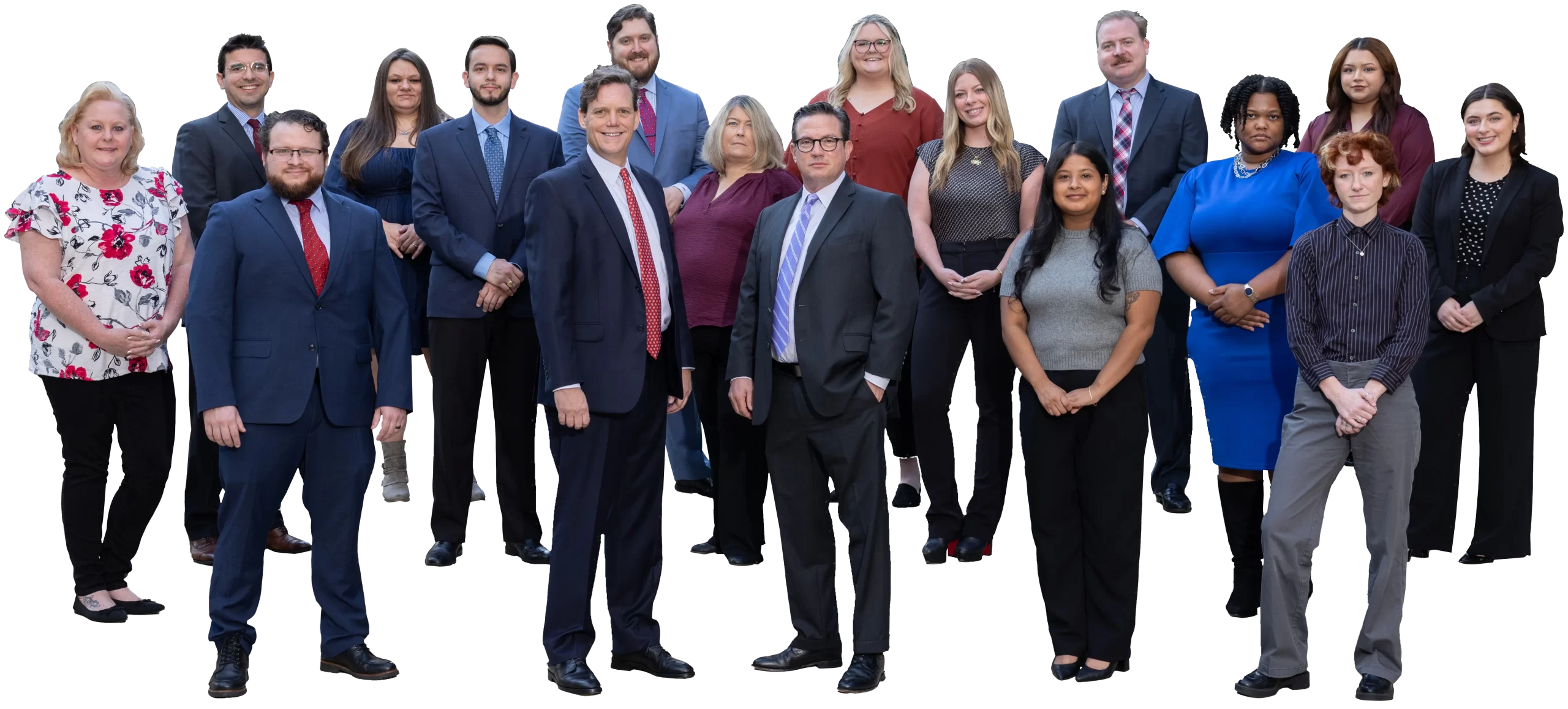
At Hall & Lampros, LLP, we have helped our clients secure over $500 million in compensation in our many years of service. We are a dedicated law firm, ready to provide highly skilled representation and advocacy for all members of our community, no matter your race, creed, color, or national origin. We know how to review your case, prove fault, and obtain compensation so that you can get back on your feet and get your life back on track.
FAQs
What Should I Do If I Am Rear-Ended Along GA-400?
If you find your vehicle rear-ended along Georgia 400, often due to suddenly stopped traffic, there are certain actions you can take to protect yourself and your injury claim. Check yourself over for injuries and try to move to safety. You then need to report the accident to the police and can decide whether or not to call for emergency medical services. Even if you do not feel hurt, having a professional check you over can help support your claim.
How Long Can It Take to Reach a Resolution in a Car Accident Case?
The length of time it can take to reach a resolution in a car accident case generally depends on the factors involved in your unique claim. These factors include the severity of your injuries, how long it takes you to heal from these injuries, the extent of any personal property damage, the availability of the evidence, and the level of cooperation the at-fault party and their insurance company offer during the case.
What Are the Most Common Injuries in a Rear-End Accident?
In a rear-end accident, which can often be traced back to sudden lane changes, driver inattention, or sudden stopping in heavy traffic, there are some injuries that are more common than others. These injuries can include whiplash, injuries to your back or spine, soft-tissue damage, facial injuries, and concussions due to striking the wheel, dashboard, or airbag.
What Damages Can I Recover in a Georgia 400 Car Accident?
In a Georgia 400 car accident, there are several forms of damages you may be able to recover. The average cost of most non-lethal car accidents across the United States is around $162,000. These costs typically include those for medical bills and the repair or replacement of damaged property. Depending on your case, you may also be able to recover compensation for lost wages, loss of your earning capacity, and pain and suffering.
Hire a Car Accident Lawyer Serving Atlanta Today
Finding yourself in the aftermath of an accident caused by sudden stopping along GA-400 can feel overwhelming and chaotic. You might not understand your rights at first, and hiring a car accident lawyer can prove essential. When you hire a car accident lawyer at Hall & Lampros, LLP, we are here to help you determine and prove fault. Whatever role you had to play in a car accident, we can help you recover the compensation you’re owed. Contact us today to schedule your free case consultation.


















 ES
ES