
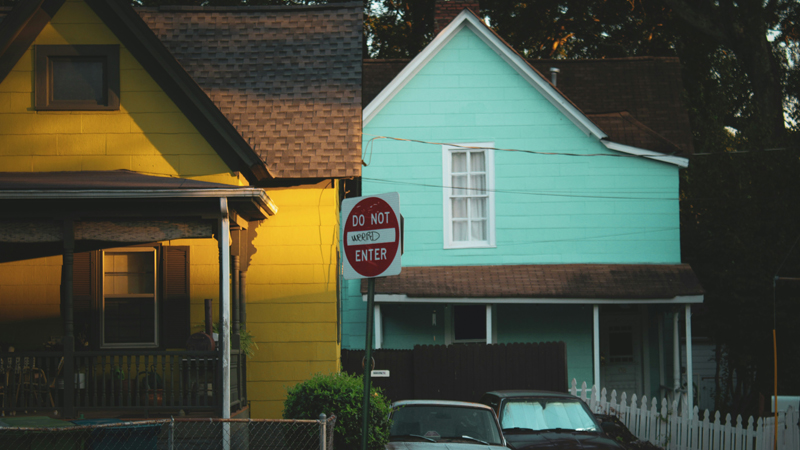
Atlanta’s busy summer travel season brought thousands of visitors into short-term rentals for concerts, sporting events, family vacations, and the 2026 FIFA World Cup. As summer winds down and Labor Day travel approaches, Airbnb and Vrbo properties throughout Metro Atlanta will continue hosting families and groups looking for an alternative to traditional hotels.
Unfortunately, privately operated rentals do not always receive the same regular inspections, maintenance, or safety oversight that guests may expect from a hotel. A loose balcony railing, unsafe swimming pool, decaying tree limb, poorly lit stairway, or defective grill can turn an end-of-summer trip into a serious injury claim.
If you were injured at an Airbnb or another short-term rental, you may be entitled to compensation. However, the legally responsible party is usually the host, property owner, or another party responsible for maintaining the property, not automatically Airbnb itself.
The Atlanta personal injury attorneys at Hall & Lampros, LLP can investigate the property, identify the available insurance coverage, and determine which individuals or companies may be held responsible for your injuries. Call our Georgia law firm at 404-876-8100 or reach out through our online contact form.
Who Is Responsible for an Injury at an Airbnb?
Airbnb generally describes itself as the platform connecting guests with independent hosts. Its current terms state that Airbnb does not own, control, offer, or manage most listings and is not a party to the rental agreement directly formed between a host and guest.
That does not mean an injured guest has no legal recourse. Depending on who owned, occupied, maintained, or controlled the property, potentially responsible parties may include:
- The Airbnb host
- The property owner
- A landlord or rental-property company
- A co-host or property manager
- A condominium or homeowners association
- A cleaning or maintenance company
- A contractor who performed defective repairs
- The manufacturer of a defective appliance, grill, railing, or other product
- Airbnb itself, in limited and highly fact-specific circumstances
Determining the correct defendant can be complicated when the host does not own the property, the home is held by a limited liability company, or several companies share maintenance responsibilities.
Georgia Premises Liability Law Applies to Short-Term Rentals
Under O.C.G.A. § 51-3-1, an owner or occupier who invites someone onto a property for a lawful purpose must exercise ordinary care in keeping the premises and its approaches safe. A paying Airbnb guest will generally qualify as an invitee.
To establish a typical premises liability claim, the injured guest may need to show that:
- A hazardous condition existed;
- The owner or occupier knew or should have known about it;
- The guest did not have equal or greater knowledge of the danger; and
- The dangerous condition caused the guest’s injuries.
Examples may include a host who knew about a loose stair tread but did not repair it, a property manager who failed to inspect a deteriorating deck, or an owner who did not warn guests that a pool’s electrical system was defective.
A short-term rental host is not automatically responsible simply because an accident occurred. Evidence must connect the injury to the negligence of the host or another responsible party.
A Recent Georgia Airbnb Case Shows Why “Approaches” Matter
A 2024 Georgia Court of Appeals decision illustrates how premises liability can extend beyond the interior of a rental home.
In Drucker v. Morgan, an Airbnb guest was seriously injured when a decayed tree limb fell in an area that the host had designated for guest parking. Although the host did not own the strip of land where the incident occurred, the court found that a jury could determine that the parking area was an “approach” to the property. The host had directed guests to park there and had taken steps to define the parking area.
The decision allowed the premises liability claim against the host to continue. It shows why an investigation should include driveways, parking areas, sidewalks, stairs, entryways, and other places guests are instructed to use, not just hazards located inside the rental.
Common Late-Summer Airbnb Hazards in Atlanta
Atlanta’s heat, storms, heavy rainfall, and continued use of outdoor amenities can create or worsen property hazards toward the end of summer. Common short-term rental accidents include:
- Slips on wet pool decks, patios, or tile floors
- Falls caused by loose rugs, uneven flooring, or poorly lit stairs
- Collapsing decks, balconies, or railings
- Swimming pool injuries and drownings
- Burns caused by grills, fire pits, or defective appliances
- Carbon monoxide exposure
- Electrical injuries or fires
- Injuries caused by falling trees or storm-damaged limbs
- Dog bites and animal attacks
- Assaults or other crimes associated with inadequate security
- Injuries caused by broken furniture or defective recreational equipment
These cases often turn on maintenance records, earlier guest complaints, photographs, online reviews, repair invoices, and messages between the host and guests.
Did Georgia’s Tort-Reform Law Change Airbnb Injury Claims?
Georgia enacted Senate Bill 68 in 2025, making substantial changes to personal injury litigation. Some of the most important provisions created a new statutory framework for negligent-security cases under O.C.G.A. §§ 51-3-50 through 51-3-57.
These provisions apply to negligent-security claims arising from incidents occurring on or after April 21, 2025. They affect when property owners, occupiers, and security contractors may be held responsible for injuries caused by the criminal conduct of a third party. They also address the allocation of fault in these cases.
This update is particularly relevant when a guest is assaulted, robbed, or otherwise harmed by another person at an Atlanta short-term rental. Claims involving broken locks, missing security equipment, uncontrolled parties, or repeated criminal activity may now be evaluated differently from ordinary claims involving a broken stair or slippery floor.
Senate Bill 68 also changed other aspects of Georgia personal injury litigation, including the presentation of medical expenses. Because the applicable rules may depend on when and how the injury occurred, anyone seriously injured at a short-term rental should speak with an attorney familiar with Georgia’s current laws.
Does Airbnb Provide Insurance for Guest Injuries?
Airbnb’s Host Liability Insurance program, which is part of AirCover for Hosts, currently provides up to $1 million in liability coverage when an insured host is found legally responsible for a guest’s bodily injury or property damage during an Airbnb stay.
However, several points are important:
- The insurance protects qualifying hosts against liability; it is not a personal injury policy automatically paying every injured guest.
- Coverage is subject to policy terms, conditions, and exclusions.
- Intentional injuries, assault, sexual assault, certain pollution-related claims, and other losses may be excluded.
- The insurer may investigate fault and dispute the value of the claim.
- A $1 million limit does not guarantee that $1 million will be available or paid.
- Other insurance may be primary, secondary, or required to contribute, depending on the host and policy terms.
Airbnb’s June 2026 program summary states that U.S. coverage may be issued through Illinois Union Insurance Company, Generali US Branch, or Assicurazioni Generali, not simply through Zurich, as the previous version of this article stated.
Additional coverage may be available through the host’s commercial insurance, homeowners insurance, landlord policy, property-management coverage, or another responsible party’s policy. Some ordinary homeowners policies exclude or restrict injuries connected to short-term commercial rentals, making an early insurance investigation especially important.
Can You Sue Airbnb Directly?
A direct claim against Airbnb is not necessarily impossible, but it is different from a premises liability claim against the person who controlled the rental property.
A viable claim against Airbnb would generally need to arise from Airbnb’s own conduct, not merely the host’s failure to maintain the home. For example, attorneys may investigate whether Airbnb received specific reports about a serious danger, made its own material safety representations, or assumed and then breached a particular responsibility. Whether those facts support a claim will depend on the evidence and applicable law.
The original version of this article also suggested that Airbnb has an affirmative duty to perform background checks on every host. That statement is too broad. Airbnb’s February 2026 terms say that it may perform identity or background screening where permitted but does not guarantee that such checks will uncover past misconduct or prevent future harm.
Claims against Airbnb also face contractual hurdles. Airbnb’s current U.S. terms generally require disputes with the company to proceed through individual binding arbitration and include class-action and jury-trial waivers. Therefore, a claim against Airbnb may not be handled through a traditional courtroom lawsuit even when a guest has a legally supportable claim.
An attorney should review the version of the terms in effect when the reservation was made, the identity of the Airbnb entity involved, and whether the arbitration provisions apply to the particular dispute.
Do Atlanta’s Short-Term Rental Rules Affect an Injury Claim?
The City of Atlanta requires short-term rental hosts to obtain a license and display the license number in advertisements. A host may generally obtain a license covering a primary residence and one additional dwelling unit. The city also requires the designated short-term rental agent to monitor the property, remain available to address problems, and display emergency contact information inside the unit.
A licensing or code violation does not automatically prove that a host caused an injury. Likewise, possessing a license does not protect a host from civil liability. Nevertheless, licensing records, complaints, prior code violations, and communications with city officials could provide important evidence about who operated the rental and whether the responsible parties knew about safety concerns.
What Should You Do After an Airbnb Injury?
Evidence at a short-term rental can disappear quickly. The property may be cleaned, repaired, sold, or rented to another guest within days. If you are injured:
- Seek medical attention and call 911 when necessary.
- Photograph and record the hazard before it is repaired or removed.
- Take screenshots of the listing, amenities, host profile, license number, photographs, and house rules.
- Save all messages exchanged with the host, co-host, property manager, and Airbnb.
- Obtain the names and contact information of witnesses.
- Report the incident through the Airbnb platform, but keep a copy of the report.
- Preserve damaged clothing, shoes, or personal property.
- Avoid signing a release or giving a recorded insurance statement before receiving legal advice.
- Contact an Atlanta premises liability lawyer as soon as possible.
Georgia generally gives an injured person two years to file a personal injury lawsuit, subject to exceptions. Waiting that long to investigate can still severely weaken a claim because surveillance footage, online listings, maintenance records, and witness memories may disappear much sooner.
Speak With an Atlanta Airbnb Injury Law Firm As Soon As You Get Hurt
An injury at an Airbnb, Vrbo, or other vacation rental may involve several responsible parties and overlapping insurance policies. The property owner may blame the host, the host may blame a management company, and an insurer may argue that the hazard was obvious or excluded from coverage.
The Atlanta personal injury lawyers at Hall & Lampros, LLP can investigate who controlled the property, preserve evidence, identify available insurance, and pursue compensation for medical expenses, lost income, pain and suffering, future care, and other damages.
Call 404-876-8100 or contact Hall & Lampros, LLP online to schedule a free initial consultation. You pay no attorney’s fee unless we recover compensation for you.

















 ES
ES